GENIE DIY
Home
Home
About
About
FAQ
FAQ
DIY Home Repairs Every Homeowner Should Know
← Back to Blog

DIY Home Repairs Every Homeowner Should Know

January 22, 2025 · 8 min read

The Essential Toolkit and Safety First

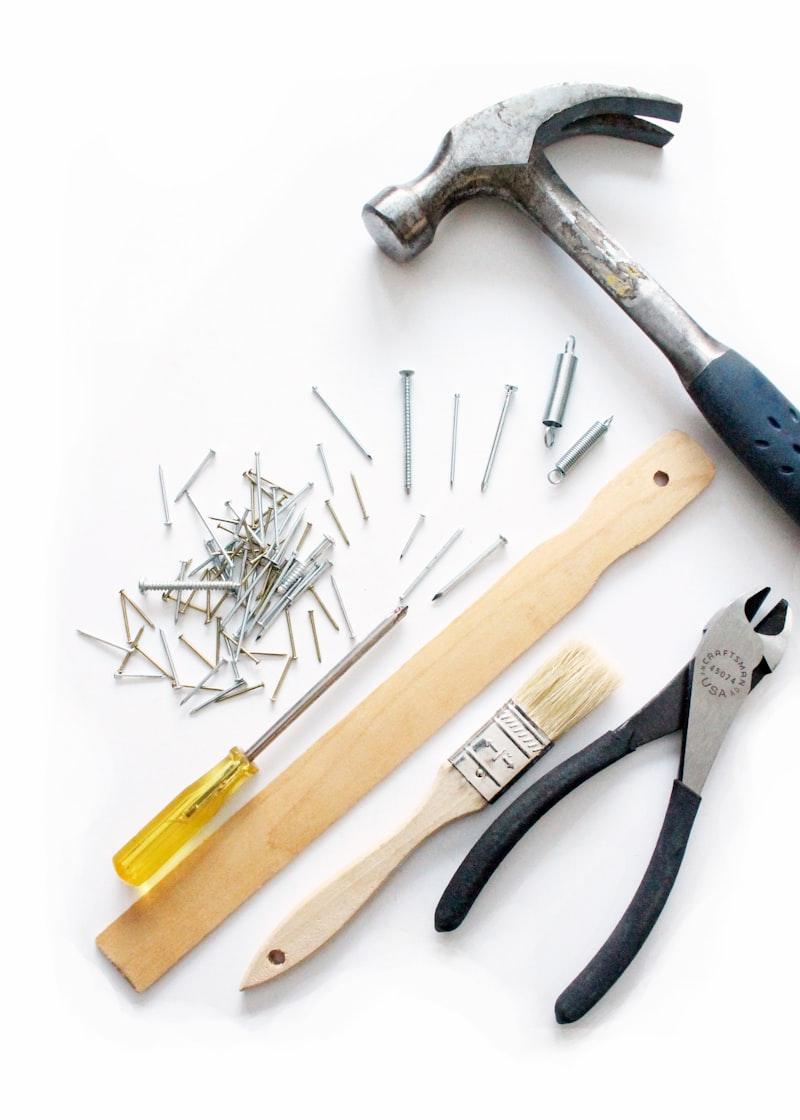
Every homeowner should have a basic toolkit for tackling common repairs. A well-stocked toolkit can save you time and money in the long run. Think of it as an investment in your home's upkeep. Having the right tools on hand means you can address small issues quickly before they become bigger problems.

Screwdrivers (Phillips and Flathead)

A variety of sizes is helpful for different tasks around the house.

Adjustable Wrench

For tightening and loosening nuts and bolts.

Pliers (Needle-nose and Slip-joint)

For gripping, bending, and cutting.

Hammer

A classic tool for driving nails and other tasks.

Tape Measure

For accurate measurements, crucial for many projects.

Utility Knife

For cutting various materials cleanly.

Level

To ensure things are straight and plumb.

Safety First

Before starting any repair, especially if it involves electrical work, always turn off the power at the breaker box. Double-check with a non-contact voltage tester to be absolutely sure the power is off. Wear safety glasses and gloves to protect yourself from injury. If you're unsure about anything, or the task seems too complex, it's always best to call a qualified professional.

Taming the Leaky Faucet

A dripping faucet is more than just an annoyance; it wastes water and can lead to higher bills and even water damage. Often, the culprit is a worn-out washer or O-ring. First, identify the type of faucet you have (compression, ball, cartridge, or ceramic disc) as this will determine the parts you'll need. Turn off the water supply to the faucet by locating the shut-off valves under the sink. Carefully disassemble the faucet, taking pictures as you go to help with reassembly. Take the old parts to your local hardware store to find exact replacements. Once you have the new parts, reassemble the faucet following your pictures in reverse order.

Conquering Clogged Drains

A clogged drain is a common household problem. Often, a plunger is the first line of defense. Use a flange plunger for toilets and a cup plunger for sinks. If the plunger doesn't do the trick, a drain snake can be effective in breaking up clogs. For a more natural approach, try a mixture of baking soda and vinegar. Pour baking soda down the drain, followed by vinegar, let it fizz for about 30 minutes, and then flush with hot water. Avoid harsh chemical drain cleaners as they can damage your pipes and are not environmentally friendly.

Patching Drywall Like a Pro

Small holes in drywall are easy to fix and can significantly improve the appearance of a room. Clean the hole by removing any loose debris. Apply a patching compound (spackling or drywall compound) with a putty knife. Apply a small amount at first, and don't overfill. Let it dry according to the product's instructions. Sand the patch smooth with fine-grit sandpaper, and then paint to match the existing color. For larger holes, you might need a drywall patch for added support.

Basic Electrical Troubleshooting (with Caution!)

Changing a light switch or outlet is a task some homeowners feel comfortable tackling. However, extreme caution is necessary. Crucially, turn off the power at the breaker box before doing any electrical work. Double-check with a non-contact voltage tester to ensure the power is off. If you're not completely confident in your ability to do this safely, or if you encounter any unexpected issues, call a qualified electrician.

Always turn off the power

Switch off at the breaker box before starting any electrical work.

Double-check with a voltage tester

Use a non-contact voltage tester to confirm the power is truly off.

When in doubt, call an electrician

Incorrect wiring can be dangerous and even lead to fires. If you have any doubts, call a professional.

When to Call a Professional

While many home repairs can be tackled with some DIY knowledge and the right tools, there are times when it's essential to call a professional. Complex electrical or plumbing issues, structural problems, significant leaks, and anything that makes you feel uncomfortable or unsure should be left to the experts. Attempting DIY repairs beyond your skill level can lead to further damage, increased costs, and potentially dangerous situations. Knowing your limits is key to maintaining a safe and well-maintained home.